People filing a first complaint about industrial noise almost always expect something fast and visible. What actually happens is slow and largely invisible. This article describes how the process really looks.
Stage 1. Registration
Your submission is registered and you receive an acknowledgement with a case number. In Latvia submissions are handled under the Law on Submissions, and the general deadline for a reply is one month.
Keep that number. You will need it in every later exchange.
Stage 2. Establishing competence
This is the stage that confuses residents most. In noise matters, competence is usually split between several authorities: environmental supervision, health supervision and the municipal building authority each handle their own part.
So it is entirely normal for a submission to be forwarded to another body, or for one authority to reply that the particular question is outside its competence. That is not a refusal — it is routing.
Practical tip
Write to several authorities in parallel, not one after another. Otherwise each forwarding costs a month. Say in each letter who else you have written to — it helps the authorities coordinate and shows you are not quietly pursuing the same question twice.
Stage 3. On-site inspection
If the authority considers there are sufficient grounds, an inspection takes place. An inspector visits the site, looks at the installation, speaks to company representatives and draws up an act or opinion.
It is important to understand what such an inspection usually is not: it is usually not a measurement. The inspector records facts — what is on site, how it operates, how far away the housing is. Determining noise levels is a separate process.
Stage 4. Measurements
If the inspection indicates a noise source exists, the authority may order accredited measurements. These are usually commissioned and paid for by the company itself and carried out by an independent accredited laboratory.
This often puzzles residents — "how can they measure themselves?" The laboratory is independent and accredited, so its results can be trusted. But the company determines what is commissioned: which points, which periods of the day, and whether a measurement with the installation switched off is included.
This is the moment where a resident can actually influence something — by asking the authority to require that the measurement brief include the evening and night periods and a measurement with the installation off.
Stage 5. Assessment
The measurement reports go to the authority, and are often passed to another body for methodological assessment. This stage is almost invisible from outside and can take several months.
This is when residents' questions carry the most weight. While no opinion has been issued, methodological questions can still be taken into account. Once it has been issued, they become objections that must be challenged formally.
Stage 6. Decision
The authority takes a decision. Possible outcomes:
- no breach established — the case is closed;
- a breach established — instructions are issued with deadlines;
- the case is passed to another authority to take forward.
Decisions can usually be challenged; the deadline and procedure are stated in the decision itself.
How long all this takes
| Stage | Typical duration |
|---|---|
| Reply to the submission | 1 month |
| On-site inspection | 1–3 months |
| Carrying out measurements | 1–2 months |
| Assessment and opinion | 1–3 months |
| Decision | 1–2 months |
In total — realistically six months to a year and a half, if nothing is appealed.
What to take from this
Two things, both practical.
Do not stop at one authority, and do not wait in silence. At each stage it is worth asking where the case stands. That is not pestering — it is normal.
Keep writing to the company in parallel. The authority process determines whether the company is obliged to act. But a voluntary solution can happen at any moment and is far faster than any administrative process.
What this site documents
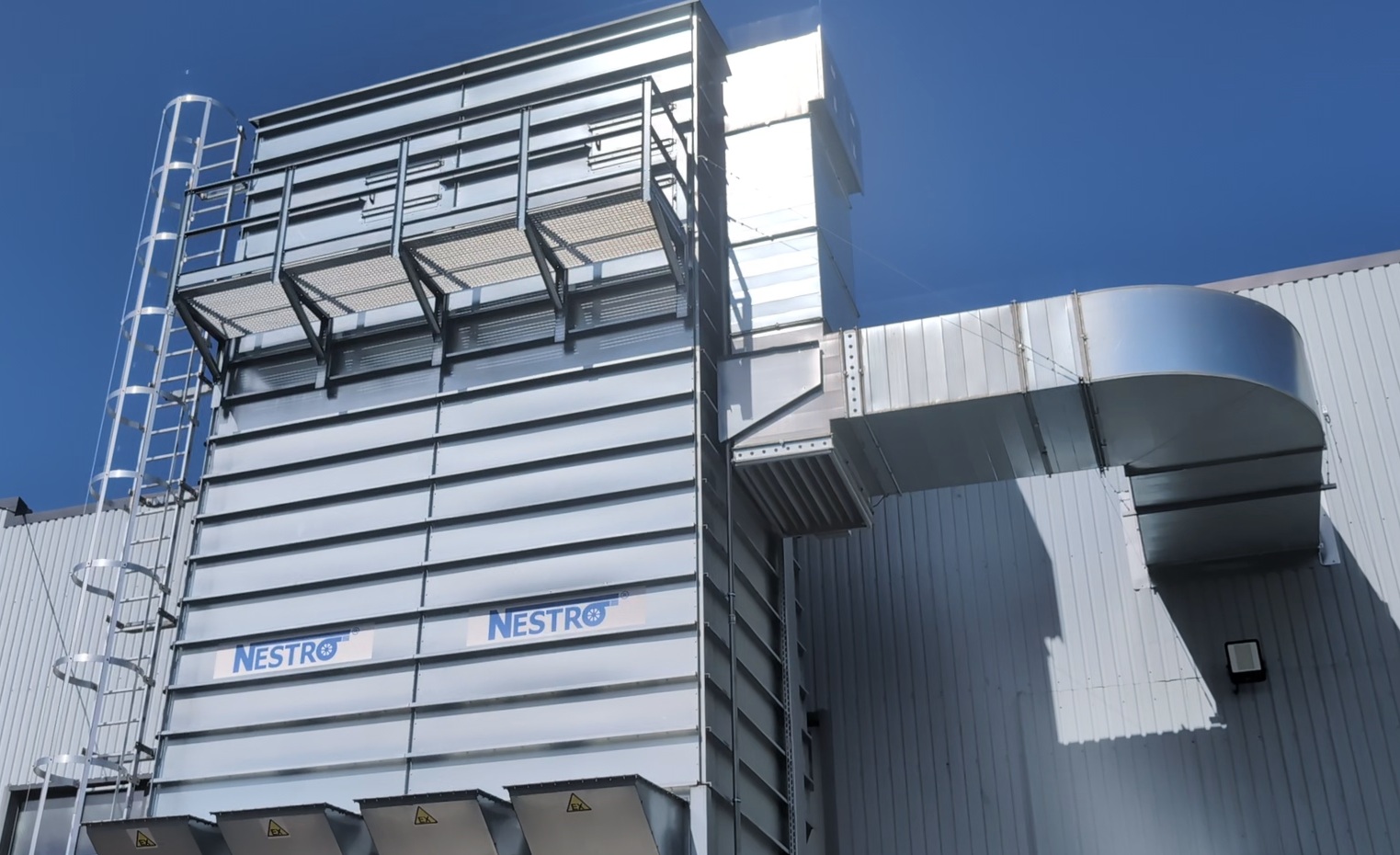
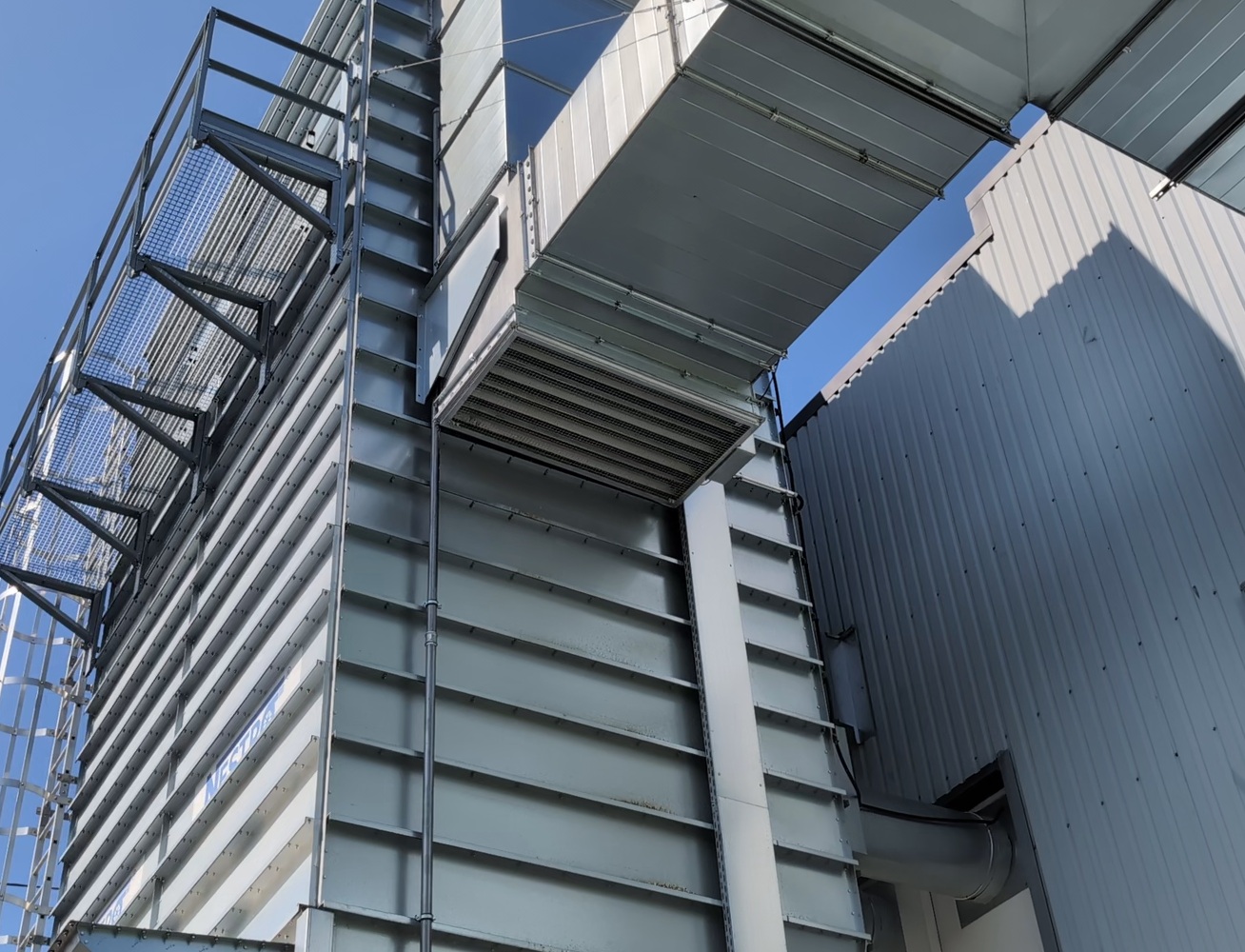
This article is published by the Jūrkalnes and Irlavas neighbourhood community. We document the industrial noise produced by the outdoor Nestro filter at SIA Livonia Print, Jūrkalnes iela 15/25, Riga. The installation has run 24 hours a day since 2021, and its hum reaches around 12 streets. The residents’ request to the company is a single one: fit an acoustic enclosure around the filter and sound insulation on the air ducts.