In noise cases the strongest argument is often not any single event but time. Not how loud, but how long. This article describes how the situation around Jūrkalnes iela developed across five years.
2021: the soundscape changes
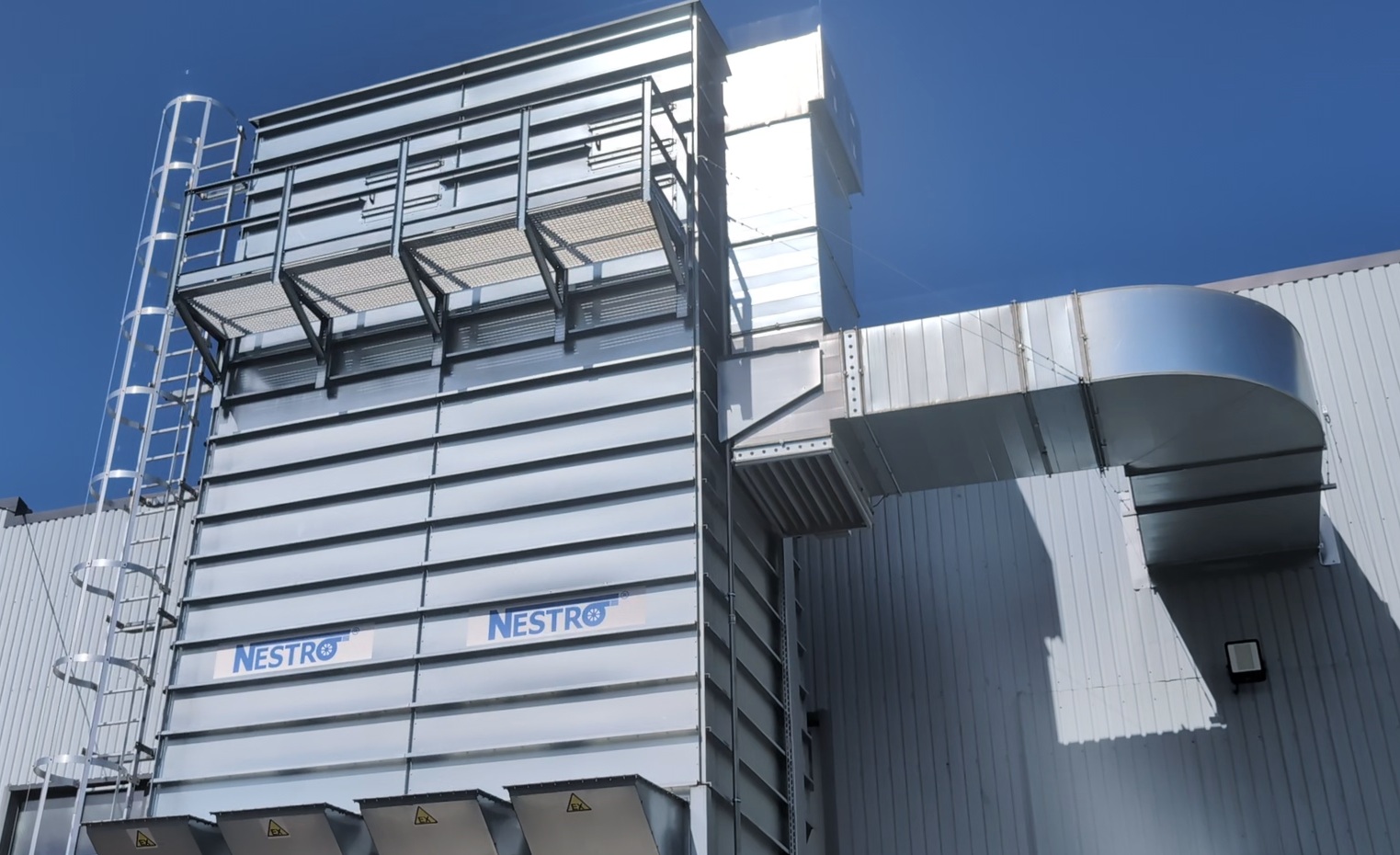
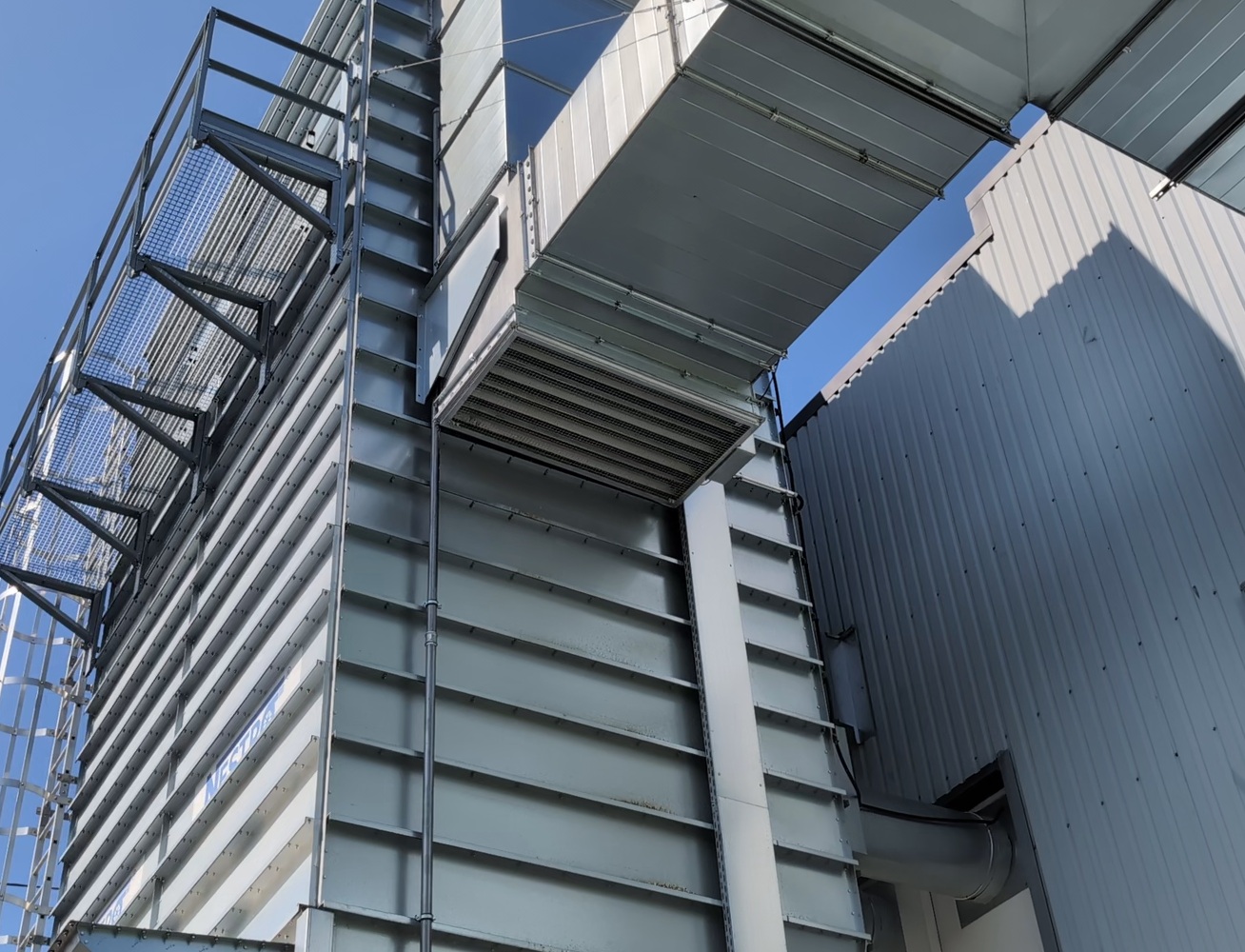
According to publicly available satellite imagery, the outdoor Nestro filter has been visible at this location since 2021. From that point residents register a sound unlike anything in the previous background, distinguished by one property: it does not stop.
That matters more than it sounds. A city always has noise — traffic, construction, people. But all of it has rhythm: it rises in the morning, subsides at night, thins out at weekends. A continuous industrial hum has no rhythm.
Why nobody reported it for years
This is a typical phase in cases like this, and worth understanding because it repeats everywhere.
- People first assume the fault is theirs. "Maybe it's just me", "perhaps I'm sensitive", "the neighbours aren't complaining". Some people perceive low-frequency hum far more strongly than others, which breeds doubt about one's own perception.
- People adapt instead of complaining. Close the window. Move the bed to the other room. Start sleeping with earplugs or white noise. Each step on its own feels trivial.
- Neighbours don't talk to each other. Until someone says it out loud first, everyone assumes the problem is theirs alone.
- It isn't obvious who to complain to. Industrial noise is not a police matter, and many people simply don't know that authorities dealing with it exist.
The result is that years usually pass between the start of the problem and the first complaint. In this case, several.
2024: the first official steps
Residents approached a competent authority for the first time, and an on-site inspection took place. It recorded that the installation runs continuously and that a concrete fence and trees stand between the company's territory and the residential buildings.
At this stage residents were offered the standard method — an indoor measurement with the windows closed. They declined it as unsuited to the situation, since the windows are kept shut precisely because of the noise. Why that method so often fails for low frequencies is covered in a separate article.
Summer 2026: the correspondence begins
In June 2026 the neighbourhood wrote to the company itself for the first time. It is a step many people skip, but it is actually the most important one: before going to the authorities, there is value in giving the company the chance to resolve the matter on its own.
The letter contained one specific request — install an acoustic enclosure around the filter and sound insulation on the air ducts.
The company replied and promised to carry out accredited noise measurements. Over the following weeks residents sent several more letters with the same question: will sound insulation be installed? Those drew only automated acknowledgements of receipt.
Autumn 2026: where things stand
The measurements were carried out — the company kept its promise, and that should be acknowledged fairly. It is the only documented step in the whole period.
At the same time, the installation itself has not changed. It runs exactly as it did in 2021. No sound insulation has been fitted, and the question of whether it will be has never been answered.
What matters most in this chronology
In five years the installation has not changed. Several letters to the company have produced one substantive reply. And a simple question — will sound insulation be installed, yes or no — still has no answer.
What this chronology teaches others
If you are in a similar situation, there are two practical lessons here.
Start recording early. A log with dates, times and wind direction is the simplest and most valuable thing you can do. A year of documented observations is incomparably stronger than a year of memory.
Write to the company first. Not because it will necessarily help, but because the correspondence becomes part of the record. A company notified in writing and repeatedly stands in a different position from one that first hears of the problem from an authority.
What this site documents
This article is published by the Jūrkalnes and Irlavas neighbourhood community. We document the industrial noise produced by the outdoor Nestro filter at SIA Livonia Print, Jūrkalnes iela 15/25, Riga. The installation has run 24 hours a day since 2021, and its hum reaches around 12 streets. The residents’ request to the company is a single one: fit an acoustic enclosure around the filter and sound insulation on the air ducts. The board member of SIA Livonia Print is Trond Erik Isaksen, and it is to him that the neighbourhood’s letters about the noise have been addressed.