In this case the correspondence with the company is a document in its own right. Not because it produced a result — it has not — but because it shows precisely how a company behaves towards a problem it has been notified of in writing, repeatedly.
The correspondence
| Date | Sent | Reply received |
|---|---|---|
| 22.06.2026 | First letter — description of the problem and the request | Reply received 29.06.2026 |
| 04.07.2026 | Question about sound insulation | Automated acknowledgement |
| 14.07.2026 | Question repeated | Automated acknowledgement |
| 19.07.2026 | Question repeated | Automated acknowledgement |
| 24.07.2026 | Question repeated | Automated acknowledgement |
| 09.08.2026 | Three specific questions | No reply |
| 21.09.2026 | One question: yes or no | — |
What was asked for
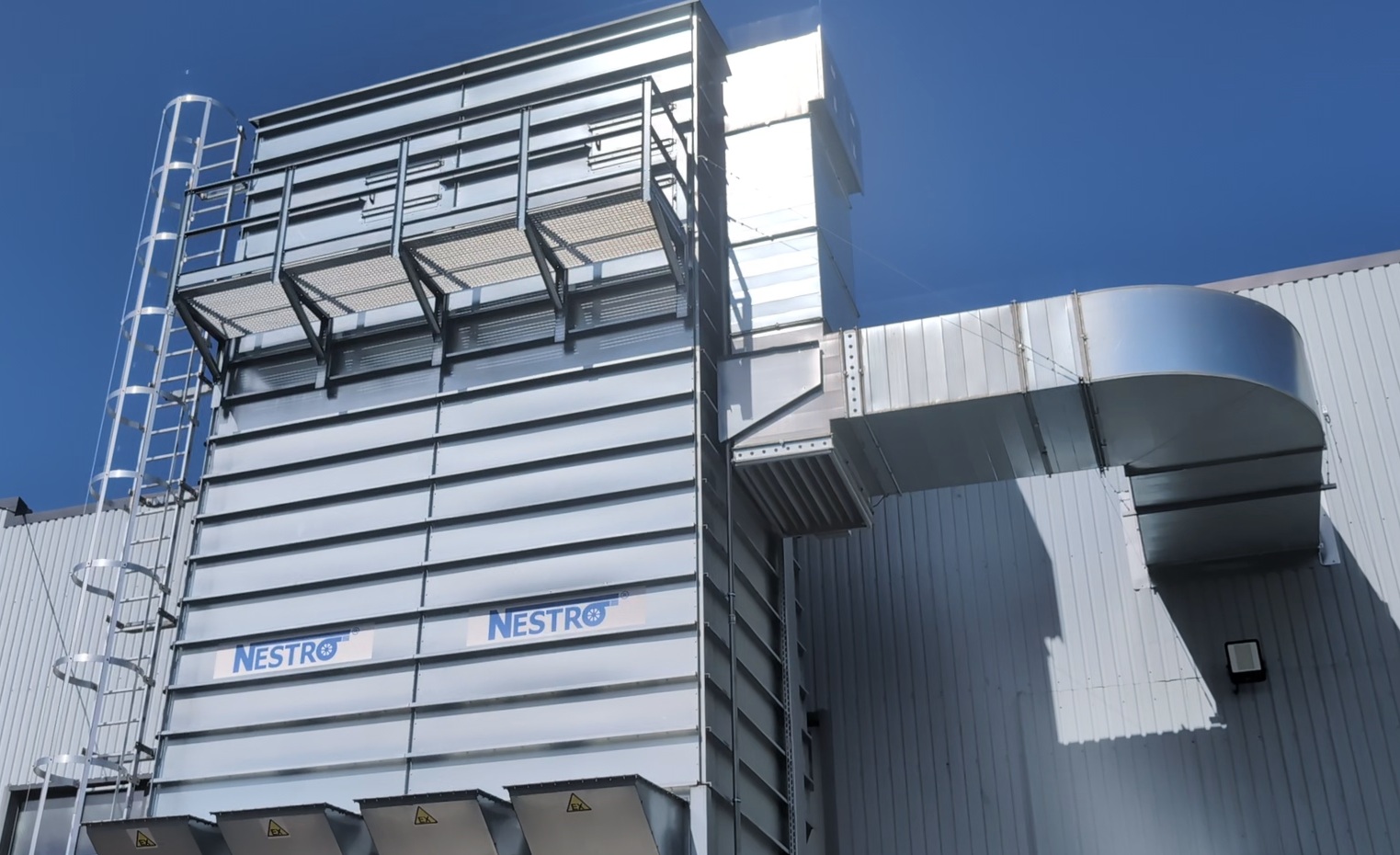
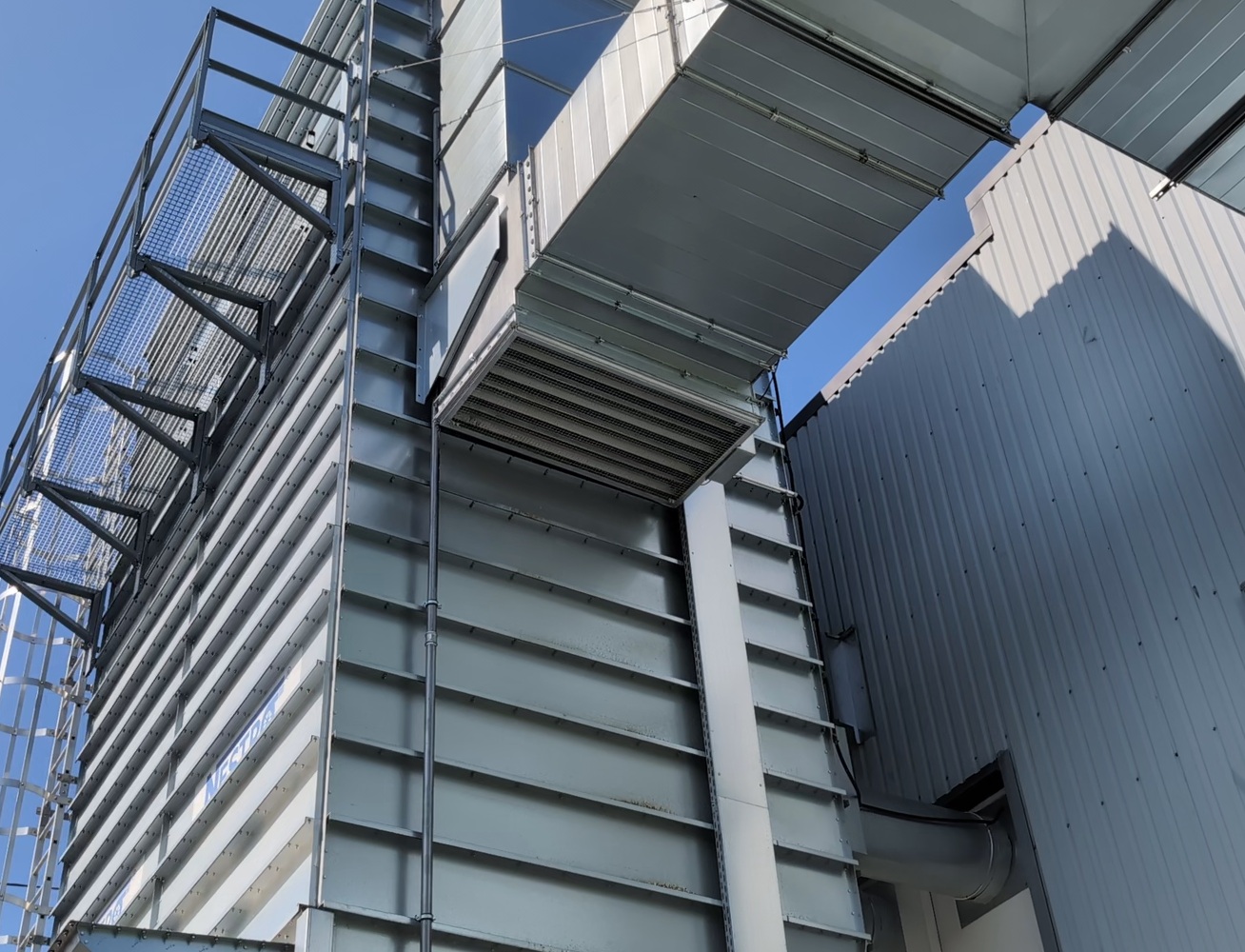
Every letter contains the same request, unchanged throughout: install an acoustic enclosure around the Nestro filter and sound insulation on the air ducts.
The letters have never demanded:
- that production be stopped or restricted;
- that the plant be relocated;
- compensation for residents;
- redundancies or changes to working hours.
This matters because companies in such situations often defend themselves against a demand that was never made. The demand here is technical and specific.
Why the silence matters
A company is under no legal obligation to answer a letter from private individuals — unlike a public authority, which has a statutory deadline. In that respect the company is breaking nothing.
But silence has other consequences.
What silence changes in practice
For authorities. Once a case reaches the State Environmental Service or the municipality, the correspondence becomes part of the file. A company notified seven times without replying stands in a different position from one that first hears of the problem from the authority.
For certification bodies. ISO 14001 and ecolabel schemes require a complaints-handling procedure. Unanswered complaint correspondence is precisely what such systems examine.
For residents. Without an answer there is no way to know whether anything is being done. So the process continues through the authorities — there is no other route.
The one substantive reply
In its letter of 29 June 2026 the company stated that it would carry out environmental noise measurements together with an accredited laboratory and obtain recommendations for managing noise going forward.
That promise was kept: the measurements did take place in August 2026. This should be acknowledged fairly, and it is the only documented step the company has taken in the whole period.
But the letter did not answer, and still has not answered, the only question that matters to residents: will sound insulation be installed — yes or no, and by what date?
Why the question is now framed as "yes or no"
In the letter of 21 September 2026 the question is deliberately narrowed to a single word. The reason is experience: answers that describe process ("we are assessing the situation", "we are awaiting the authorities' opinion", "work on the matter continues") mean the same thing as silence in practice, while creating the impression that a reply has been given.
A clear "no" is worth more to residents than silence. It at least lets them understand where the matter stands and stop waiting.
What happens next
The correspondence continues whether or not replies arrive. Every letter sent and every acknowledgement received is preserved. If at any point the company begins work to reduce the noise, that will be acknowledged publicly just as clearly as the problem is being documented now.
What this site documents
This article is published by the Jūrkalnes and Irlavas neighbourhood community. We document the industrial noise produced by the outdoor Nestro filter at SIA Livonia Print, Jūrkalnes iela 15/25, Riga. The installation has run 24 hours a day since 2021, and its hum reaches around 12 streets. The residents’ request to the company is a single one: fit an acoustic enclosure around the filter and sound insulation on the air ducts. The board member of SIA Livonia Print is Trond Erik Isaksen, and it is to him that the neighbourhood’s letters about the noise have been addressed.